



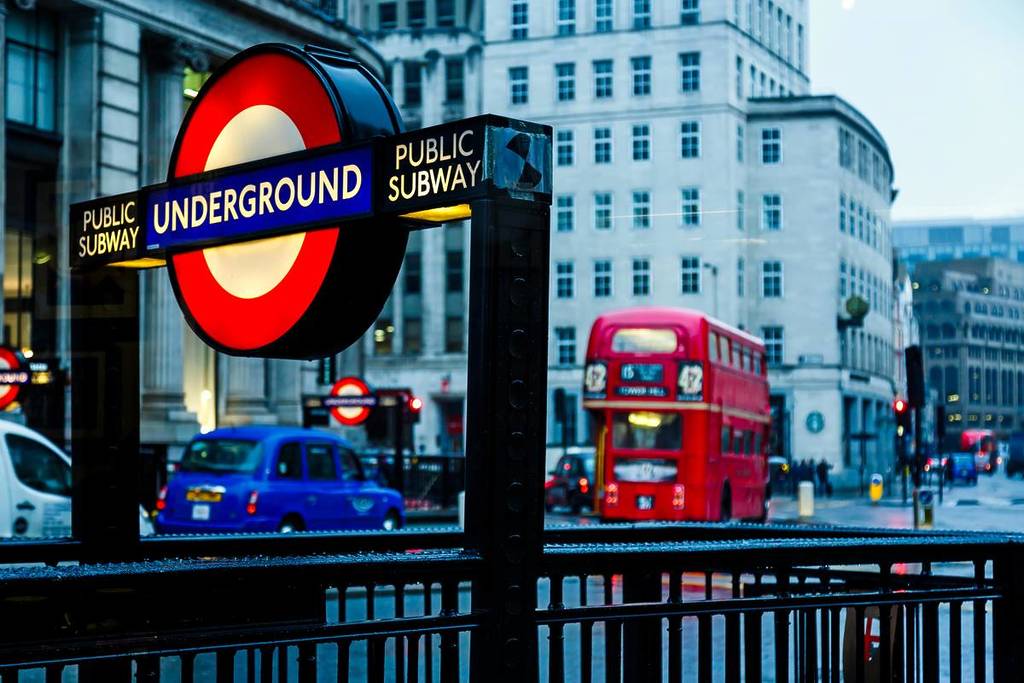
This morning, London’s subway strike created major problems for commuters.Millions faced delays, packed buses, and lots of walking to get to work. Transport unions and Transport for London are arguing about pay, pensions, and working conditions. For a well-connected city like London, the strike proves how easily things fall apart when the subway stops.The Rail, Maritime and Transport union and other transport groups organized the strikes, bringing back talks about workers’ rights, government money, and the future of public transport after the pandemic.
This morning in London, many subway stations were closed and lots of lines weren’t working. Some lines had fewer trains than normal, while others were totally out of service. Buses were already full, and now they were even more crowded. Ride-sharing apps became more popular and prices went up.Because of the strikes, many workers had longer trips to work or just didn’t go in. Instead of working well, London’s transportation was a mess, loud, and people were frustrated.
Economists believe London’s economy loses millions of pounds for each day of a strike. Shops, restaurants, and entertainment spots, which depend on people commuting and tourists, are reporting they’re losing money.
Small businesses are especially at risk. For instance, coffee shops close to big stations mentioned that they saw half the number of customers they usually encounter when there were strikes. Ride services such as Uber saw a spike in demand, but many riders complained about higher prices.
Strikes across the country are putting labor rights back in the news. Union backers argue they’re protecting workers’ gains at a time when rising costs and budget cuts are hitting hard. Opponents, on the other hand, worry that widespread strikes damage the city’s reputation and disrupt things for everyone.
Passengers with disabilities, who depend on the subway, were stranded or had to spend extra money to get around. Tourists, who expected easy transportation, were confused.
For the workers on strike, it wasn’t a simple choice. Union members lose money each day they’re on strike, but many think the possible harm to their pensions and jobs in the future is worse than the immediate loss of income. The London Underground strikes are about more than just trains. They’re about worker value, today’s economy, and the difficulties of running a big city. Each strike day shows Londoners how much they rely on the people who keep the city moving.
Whether you see the strikes as a good thing or a nuisance, they make it clear that when the Underground stops, London feels it.