



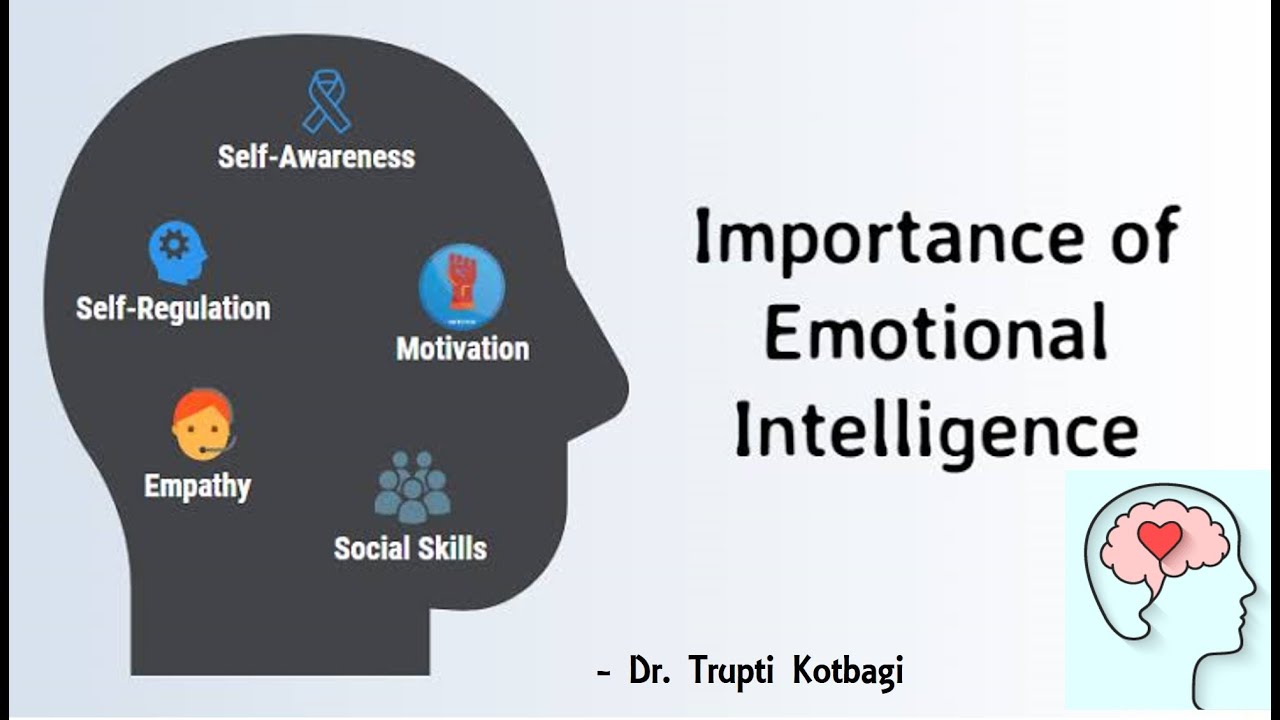
It is possible that you have heard that emotional intelligence (EQ) is twice as important that the intelligence ratio (IQ) for successful leaders, but what does that mean?
Very intelligent leaders understand concepts very quickly and expect others to understand them at the same pace. They are frustrated when people don’t, but they don’t want to take the time to understand them by fear of being convenient or pedantic.
A good analogy is that they can drive a Formula One car, but your team is on a school bus. They must reduce speed to accelerate, otherwise, while they can first reach the destination, they will have to come to find the bus.
Reduce and guarantee that everyone is on board accelerates success because a team achieves the goal.
Another problem with highly intelligent leaders is that they have the attitude of “I know the answer and I’m right”, therefore, they don’t listen to people who work for them.
They tend not to request contributions from their equipment and, therefore, to discourage people by telling them the most efficient way to achieve the result. Then they complain that no one takes the initiative.
See also: 8 leadership qualities you need to success in a high growth business
These leaders of high intellectual coefficient have often comments that they need to delegate, but complain that people do not deliver, and it is faster to do them themselves. They cannot see the long -term value of developing ethers.
They are also stunned when people find them volatile or emotional when I consider people as highly logical people. They do not realize how their frustration (that others is so slow) is filtered in their language and behavior.
As people progress in a company, they need to deliver results through others. Leaders should inspire people to make an additional effort, and that means conquering their minds and hearts. If not, they end up working all day because they cannot make the ethers work as requested.
Related: What kind of leader are you?
Such leaders are not clear how their behavior impact others, because they are so focused on achieving the result, the general panorama is lost.
They can obtain results while they have the power of authority and a team to command. But what happens when they have to influence others, without legitimate power?
On the contrary, leaders who are emotionally intelligent can be silly or intelligent, but because they know themes of the subject and understand their strengths and weaknesses, they are surrounded by the right team. They know that many heads work better than one, no matter how brilliant that head is. They are humble and curious about what others think.
They are aware of how their behavior affects people and know that investing time in the development of people will pay dividends in terms of loyalty, effort and performance.
There is hope for the high leaders of intellectual coefficient, because emotional intelligence can be developed.
Tips for developing your equalization leadership skills
- Reduce the speed, take the time to explain to others your ideas, drive the bus
- Ask questions, request comments and listen to the answers with an open mind.
- Note and pay attention to any negative emotion. If you are frustrated, ask yourself why. If you have explained the same three times, and do not understand, assume responsibility. Doing the same about and again and waiting for different results is Einstein’s definition of madness. Why not explain it differently, so that they understand it? Do not change the result, change the methodology.
- Note other people’s reaction to their behavior, and instead of blaming them for their reaction, ask yourself, what could have done differently? People responded to the message they heard, not what he intended to say.
- Be more empathetic with how other people feel. He does not need to have experienced what is happening, but it is possible that he has experienced the same emotion. So, someone is trying to quit smoking, and they may think they are idiots, have they not seen the statistics? But it may be trying to lose weight and find it hard. Then, instead of judging them for real action, empathize with them about the difficulty of not eating or smoking what you want.
- Communicate a vision that is inspiring, which is not only logical, but creates an emotional attachment.
The consensus
The leaders of high intellectual coefficient stand out in technical knowledge, strategic planning and crucial innovation skills in complex and data driven environments.
Alto EQ leaders are better to motivate the teams, navigate the dynamics of the workplace and close a positive culture, the keys to long -term success.
Effective business leadership requires IQ and EQ. The intellectual coefficient can lead a leader in a position, but EQ OFTE determines its success and longevity, particularly in people focused on people.
Additional reading:
Why emotional intelligence is important in leadership: 71 percent of employers value emotional intelligence rather than technical skills when evaluating candidates
Leadership features that can learn in the afternoon: an infographic that examines 7 key leadership features and analyzes processable ways to practice them