



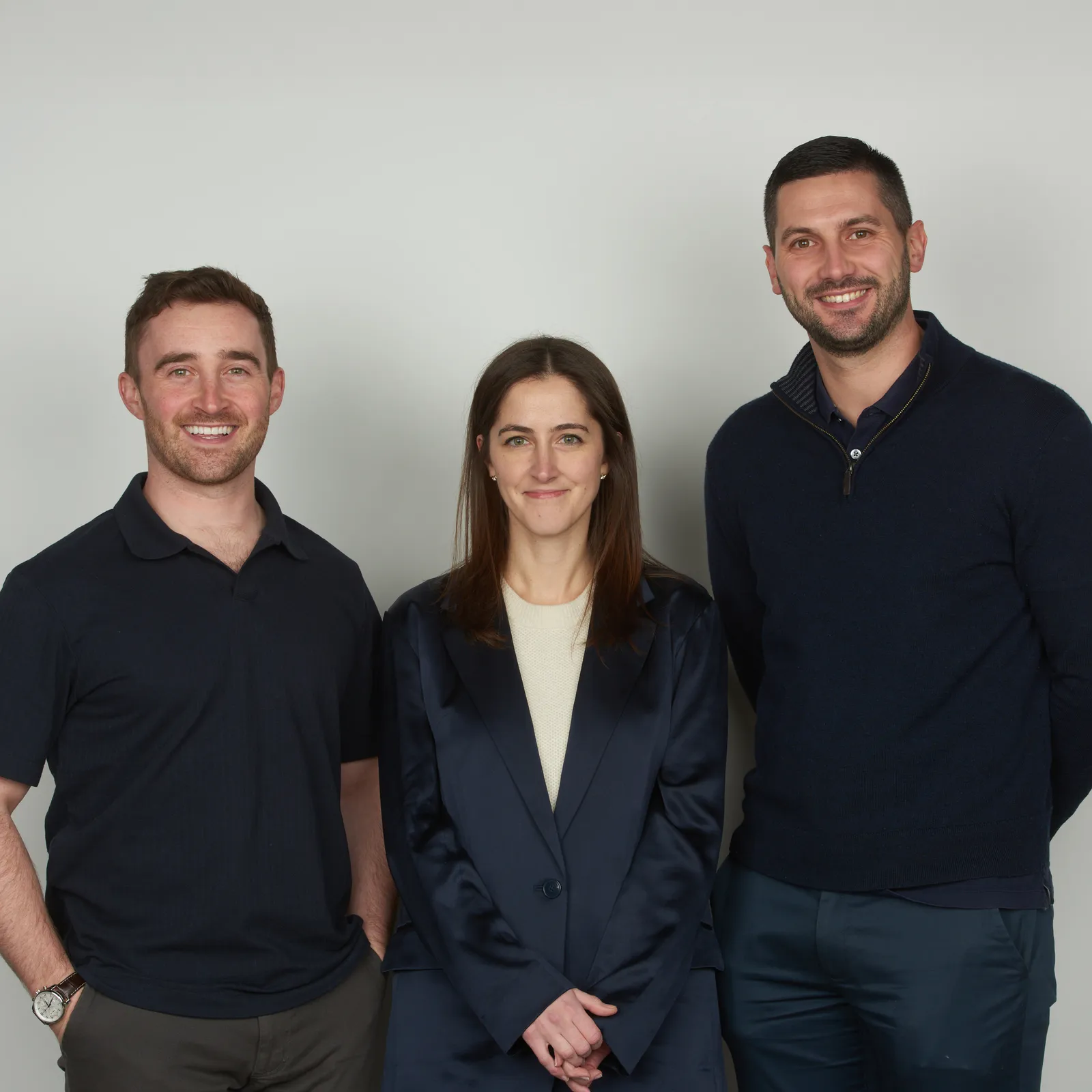
Vogue Business released its 2025 list of 100 Innovators, recognizing people who are shaking things up in fashion and luxury. These folks are making waves in tech, sustainability, business, beauty, and even how the industry tackles social issues.The Tech Innovators section caught my eye. We’ve been hearing about virtual worlds and cool tech for a while, and now we’re finally seeing that stuff show up in real-world products, like AI, wearables, and better recycling. Even avatars are getting in on the action.
People are taking note of those who mix creative ideas with tech skills Caio Amato at Oakley is known for his design work. He’s also checking out fresh tech and teamwork, such as smart glasses that work with Meta, plus different concepts for athletic gear. His work shows how clothing brands are changing. They’re going past just looks, getting into engineering.
Caio Amato at Oakley is known for his design skills and for pushing boundaries with hardware and team projects, like smart glasses that work with Meta tech and projects that go into performance gear. His work shows how fashion brands are becoming more than just makers of clothes they’re turning into research hubs.
Sarika Bajaj and Tushita Gupta, who started Refiberd, are using AI to help with textile recycling. Their work brings together circular fashion ideas with science, tackling waste and helping the environment.
Rocco Basilico at EssilorLuxottica is focused on smart eyewear, working with tech companies like Meta. These projects bring together fashion, wearable tech, and augmented reality.
Jenny Wang, who created Alta, is also a key player. Her AI fashion app mixes styling, discovery, and shopping. She wants to support smaller designers and combine computer help with human taste. Alta has already received funding and attention.
– Others, like Maria Belousova (Daydream) who is into AI shopping, Johan Bello from Uncut who is improving AI in creative work, and Dorian Dargan & Jim Winkens (Doji) who are creating realistic avatars for virtual try-ons, are growing in different areas being artistic, improving customer experience, and mixing what’s digital with what’s real.
Big Trends to Keep An Eye On
1. AI Is Now a Standard Tool
A lot of innovators use AI as a major part of their business like for recycling, digital design, and style advice and they’re making sure to use it the right way by being open about data, its impact on smaller designers, and ensuring things are fair. AI tools are becoming partners in creating, not just ways to do things faster.
2. Wearables and Smart Accessories Are In
It’s not just about digital fashion. Brands like Oakley are making wearable items, like smart glasses and tech accessories. People want these to be useful, work well, and connect with digital platforms.
3. Virtual Try-Ons, Avatars & Digital Mirrors
Doji’s avatars and tools for virtual fitting are becoming more common. This tech helps cut down on returns, improve fit, and give customers new ways to shop for fashion online. It also opens up new possibilities in gaming, virtual stores, and showcasing who you are online.
4. Recycling, Circularity & Material Innovation
Innovators like Refiberd are helping to close the loop, recycling textiles, using AI to sort materials, and trying out new materials. The need to protect the environment is real, and tech is starting to help handle it more broadly.
5. Easier Discovery, More Support for Small Businesses
Apps and platforms are starting to offer ways for smaller designers to get noticed, without having to follow the latest trends. Alta, for example, wants to give a boost to up-and-coming designers who might otherwise be overlooked. This suggests a move toward more open communities, to not only sell fashion but to influence who gets recognition.
What It Means and The Obstacles
The new ideas sound good, but there are challenges ahead. Here are some key problems A lot of this tech is expensive to develop or needs investment in things like recycling or smart factories. Smaller brands, or those in areas without tech companies, might struggle to keep up. As AI gets involved in more parts of fashion styling, advice, try-ons fairness and data privacy become important. Innovators need to show their tech is fair for everyone.Tech can help with being sustainable, like with new materials and recycling, but tech also has environmental costs, such as energy use and electronic waste. Balancing new ideas with using resources carefully is tricky.Some people are into digital fashion and avatars, but others prefer real-world experiences. Getting people on board means making the tech easy to use, reliable, and something they can trust.Policies, trade rules, and property laws are behind the tech. There could be legal problems for wearables, using personal data, or for online shopping.
What This Means for Fashion’s Future
Considering what the innovators are doing and the problems they face here are some likely ways fashion tech will grow soon. Expect more mixed experiences: real stores with digital extras, virtual mirrors, and VR fashion shows. The line between online and offline fashion will blur. Customization will grow. As AI and avatars improve, people will want better fit and custom styles. Brands that use tech to give custom service will gain loyal customers .Circular supply chains will be more important. If recycling and cutting down on waste are part of a brand, that can help them stand out. But that needs investment and clear plans. Brands will need to think about digital identity avatars and digital clothes. Fashion in virtual worlds will be more important in how people express their style.
And most importantly, being genuine and having a purpose matters. A lot of innovators are bringing new tools based on strong values sustainability, inclusion, and heritage. Fashion tech without a purpose might not get as much attention.
In short, the Vogue Business 2025 Tech Innovators list points to a changing fashion world. Those changing fashion tech are not just dreaming of new futures, but creating the tools to make them happen. For designers, brands, customers, and investors, it’s an exciting time, with both opportunity and responsibilities.