



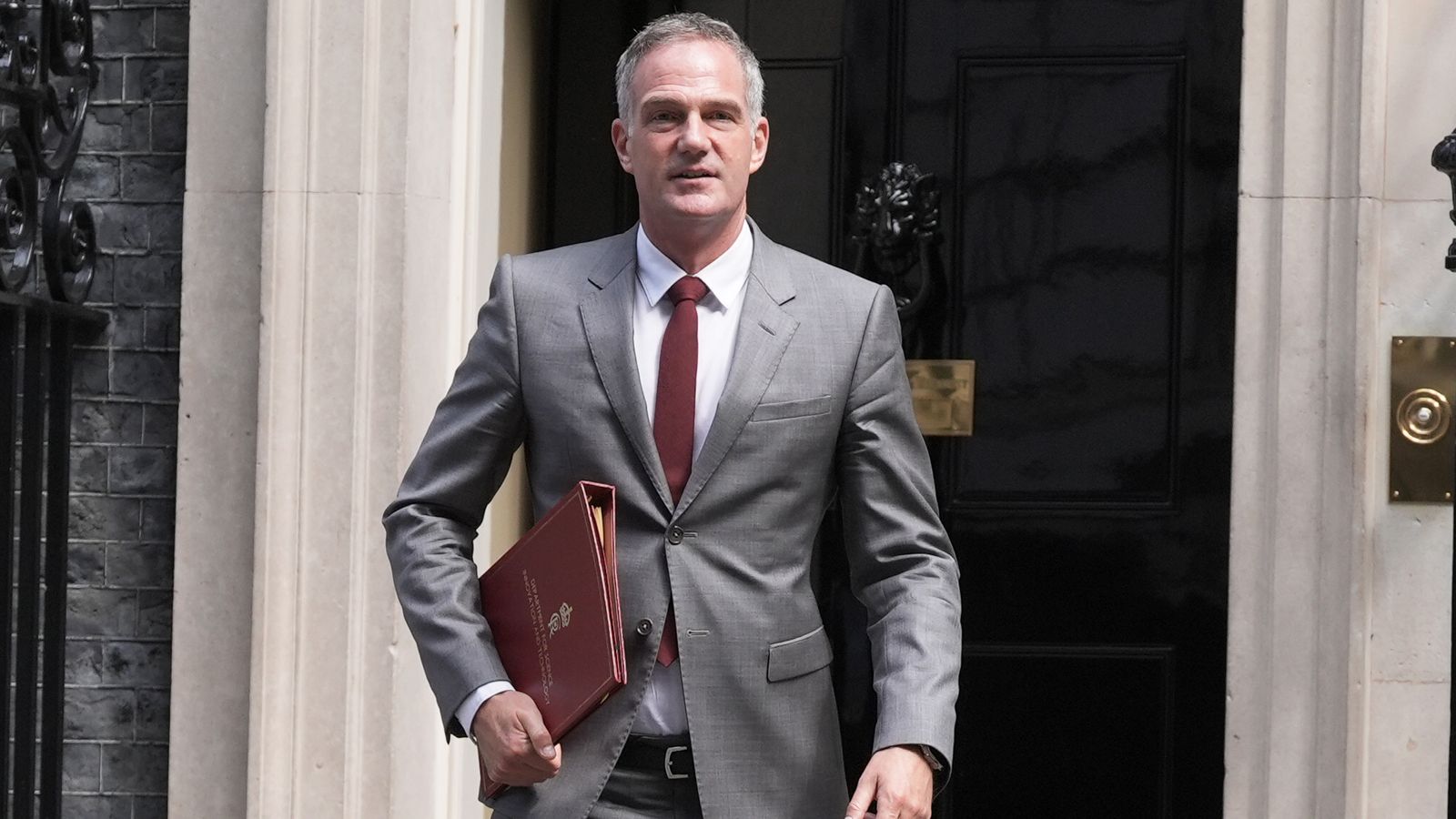
Kyle’s path hasn’t been typical. He was born in West Sussex and had trouble with dyslexia, so he left school without any degrees. For a long time, it didn’t look like he would go to college or get into politics. But he kept going and took a different route, and later went to college. There, he got involved in social policy, charity, and politics.
Kyle’s called a tech fan since he’s really into tech, AI, and new ideas. He’s said it’s important to add growing fields to the UK’s money plans, hoping Britain can do more than just services and turn into a center for up-and-coming industries. He thinks AI, biotech, quantum computing, and renewable energy are keys to growth.
Upon taking the Business Secretary role, Kyle immediately identified growth, innovation, and global cooperation as his core priorities.In his first major speech to business leaders, he stressed that Britain needs to take bold risks, support entrepreneurs, and foster public private partnerships that go beyond shortterm gains. He emphasized the importance of creating an environment where innovation can thrive, businesses feel supported, and global investors see the UK as an attractive destination.
Washington was Kyle’s first major stop. There, he held meetings with senior White House officials, including advisers in science and technology. He emphasized the role of a “Tech Partnership” between the US and the UK, designed to strengthen collaboration in artificial intelligence, digital infrastructure, and cybersecurity. The discussions also included the need to ensure that Western democracies remain competitive against emerging technological powers such as China. Back home, Kyle is joining the team when the economy really needs help. Businesses are struggling with inflation, supply chain problems, and rising energy prices.
The British steel industry is hurting, older industries are fading away, and the difficulties with trade after Brexit are still a problem. Kyle knows about these issues but thinks Britain can get past this slow period through new ideas and trading with other countries. He’s giving an optimistic message. Kyle’s tech-focused ideas have caused quite a stir. For example, his suggestion to have the Alan Turing Institute work more on AI defense research didn’t go over well. Many worry about turning tech into weapons. Others are concerned that Kyle’s close ties to companies like Google and Meta could complicate things when it comes to keeping the internet safe and regulated.
One of Kyle’s most ambitious visions is his call to see Britain foster its first trillion-dollar company. For him, this isn’t just about one corporate giant but about creating an ecosystem that allows ambitious companies to scale, innovate, and compete globally. He has spoken about the need to reform capital markets, reduce barriers to business expansion, and improve access to investment for high-growth firms.
Even so, Kyle’s arrival feels new. His way of doing things is full of energy, drive and a sense of urgency. He wants to change how things are done. He talks about more than just getting by, but about changing the UK into a strong, inventive, and respected economic power. His first steps, such as trade trips and his open support for tech, show he plans to act fast. For a country needing a boost, Peter Kyle is both a risk and something to look forward to.
If his first days as Business Secretary are anything to go by, the time of the tech bro minister may be the time when Britain finds its economic confidence again. Whether you agree with him or not, Peter Kyle has clearly made innovation, ambition, and working with other countries important to Britain’s economy.