



The United Kingdom is in a tough spot with its foreign policy. It’s torn between the awful situation in Gaza, which has caused global anger and calls for doing what’s morally right, and the tricky world of diplomacy, alliances, and timing – made even harder by President Trump’s visit to Britain. Because of this, UK political leaders are facing a lot of heat both at home and overseas.
Earlier this week, London Mayor Sadiq Khan spoke out more strongly than others in his party and the government, calling the situation in Gaza a ‘genocide.’ His statement had a big impact on British politics, challenging Prime Minister Keir Starmer’s careful approach and energizing both supporters and critics. The debate has revealed the UK’s struggle to balance doing what it feels is right with keeping good international relationships. It’s also opened a new chapter in Britain’s ongoing discussion about its role in the world.
The Humanitarian Crisis Driving the Debate
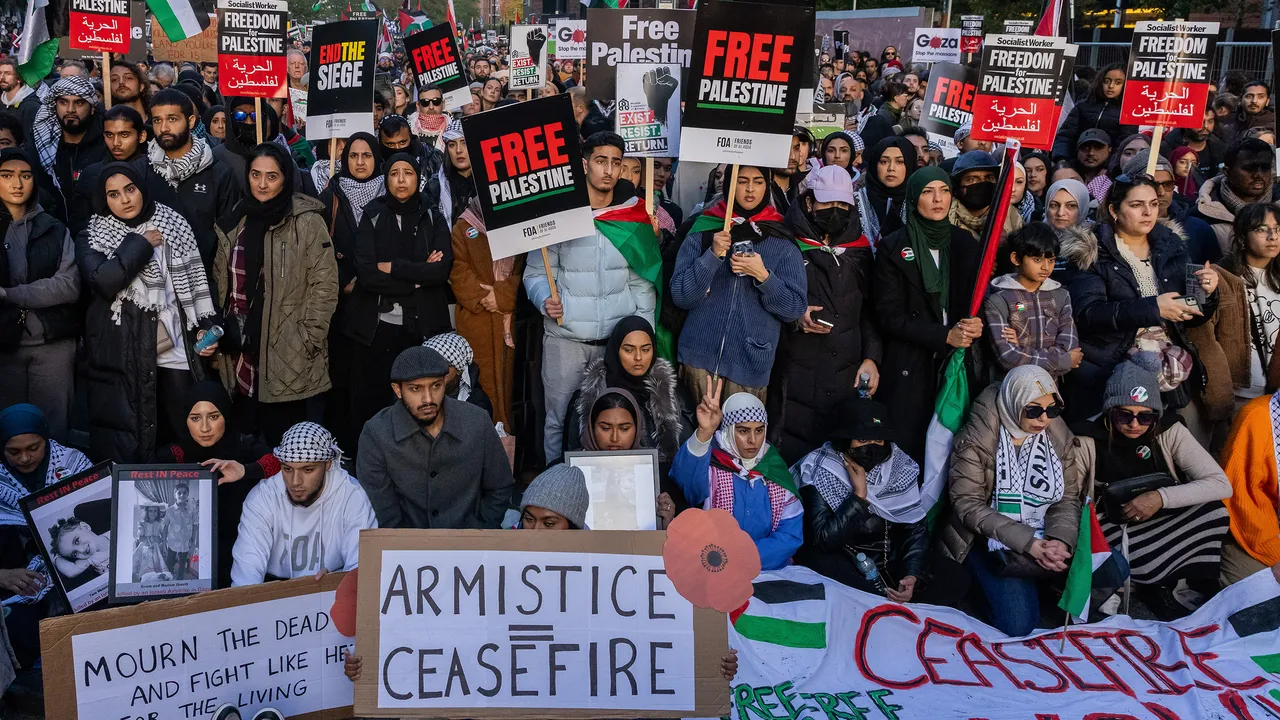
For many in Britain, the situation in Gaza isn’t just some far-off problem. London has large Palestinian and Jewish communities, and there have been huge protests demanding that the UK government take stronger action. For months, news stories and images of suffering civilians have been all over the media, including reports of food shortages, hospitals collapsing, and lots of people being displaced.
Human rights groups, both international and local, have said the conditions are terrible. Some have said that the number of civilian deaths and the widespread destruction of buildings could be seen as breaking international law. Most Western governments have avoided using this kind of language because they’re worried about the legal and diplomatic results of using words like ‘genocide.’ That’s why Mayor Khan’s decision to speak out is important. By using the word ‘genocide,’ he didn’t just express support – he actually challenged the UK government’s cautious approach and forced a difficult but important issue into the conversation.
Sadiq Khan’s Strong Words
Sadiq Khan is known for speaking his mind, but his comments on Gaza were some of the strongest he’s ever made. At a community event in London, he said: ‘We can’t ignore what’s happening in Gaza as just collateral damage. It’s planned, it’s targeted, and it’s a genocide.’
Many activists said his words were a long time coming. They praised him for breaking through what they see as political silence, and they accused the government of caring more about diplomacy than about human lives. Khan’s statement also resonated with many members of the Labour party, who have been criticizing the leadership for not speaking strongly enough about the crisis. However, his statement wasn’t without risk. By calling the crisis a genocide, Khan placed himself in direct opposition to Keir Starmer’s more careful language. Starmer has been saying that there’s a need for calm, ceasefire talks, and diplomatic solutions, without using terms that could create legal obligations under the UN Genocide Convention.
This has created an interesting situation within the Labour Party: a mayor who’s not afraid to speak bluntly about moral issues, and a prime minister who’s trying to balance global diplomacy.
Keir Starmer’s Difficult Balancing Act
For Prime Minister Keir Starmer, the Gaza conflict isn’t just about humanitarian issues – it’s also a tricky diplomatic situation. His government has been pressured to recognize a Palestinian state, which would be a big change in Britain’s Middle East policy. Sources say that Starmer is thinking about moving in that direction, but he’s waiting until after Trump’s visit is over before making any announcements.
The timing is important. If Britain recognized Palestinian statehood while Trump is visiting, it could anger the United States, which is Britain’s closest ally. Trump has usually sided with Israel in his policies, and his presence in London has already caused controversy and protests. For Starmer, upsetting the US right now could weaken the diplomatic power he hopes to use to help bring peace to the Middle East.
But waiting also has its downsides. Activists and humanitarian groups say that every day of hesitation means more lives lost in Gaza. They see Starmer’s caution as something closer to complicity than diplomacy. The idea that Britain is waiting for the ‘right moment’ has only frustrated people who think that doing what’s morally right should be more important than political timing.
Protests and Public Pressure
London has been the site of some of the biggest pro-Palestine protests in Europe. Thousands of people have marched through the streets, demanding stronger action from the government. Signs calling for an end to arms sales, sanctions on Israel, and immediate recognition of Palestine have become common at these events.
The protests haven’t been without controversy. Critics say that some of the language used at the marches has been inflammatory or antisemitic, while organizers say they’re just exercising their democratic rights. For the government, the size of the public protests shows that foreign policy decisions aren’t made in isolation – they have a direct impact on domestic politics.
Sadiq Khan’s actions can be seen in this context, too. As mayor of one of the most diverse cities in the world, his decision to call out ‘genocide’ shows both his moral stance and his awareness of the feelings of many of the people who live in his city.
International Impact
The UK’s final decision on Palestinian statehood will not only affect its relationship with the Middle East but also show what direction its foreign policy will take after Brexit. Starmer has talked about Britain being a ‘bridge-builder’ in global affairs, but that role will be tested if London disagrees strongly with Washington.
If Britain does recognize Palestine, it will likely be praised in many countries in the Global South and in parts of Europe. But it could also damage relations with Israel and the US, which have a lot of power in areas like trade, security, and technology partnerships. So, the decision will show how willing Britain is to stand up for its own foreign policy, even if it means disagreeing. Together, these things have created a political environment where every statement and every delay matters. The question isn’t whether Britain should take a stand, but when and how it will do so.
Conclusion: Doing What’s Right vs. Playing Politics
The UK’s response to the Gaza crisis is testing its political identity. Sadiq Khan’s blunt statement has forced a conversation that the government had been trying to manage with careful diplomacy. Keir Starmer’s balancing act shows the realities of governing in a complicated international system, but it also highlights the moral compromises that come with that approach.
In the end, Britain’s decision will be judged not only by its allies and enemies overseas but also by its own people, many of whom are demanding a foreign policy based on fairness and humanity.
History tends to remember moments like these not for their political convenience, but for their moral courage. The Gaza debate could become a key chapter in the story of Britain’s foreign policy in the 21st century.