



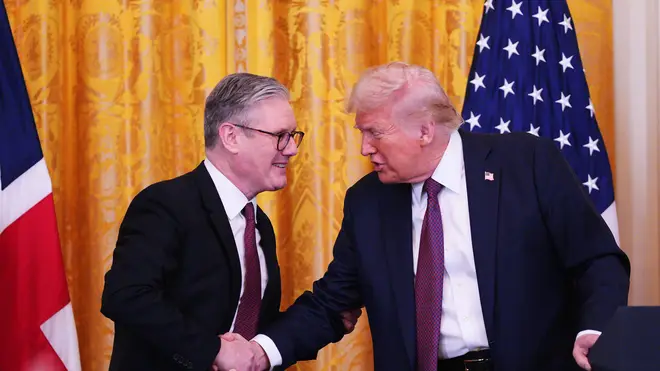
President Trump’s visit to the UK is being called historic for many reasons. One big thing is that the two countries are about to announce a big nuclear power deal. This deal is meant to speed up work together on nuclear energy projects. It could change the energy situation in Britain and also strengthen the relationship between the two countries, which has been through a lot but has always lasted.
Right now, both countries have big problems at home and around the world. So, this agreement is about more than just technology or industry. It’s also about having safe energy, caring for the climate, how the countries relate to each other, and what their relationship will be like going forward. What matters most is whether this deal can really bring clean energy to the UK and make the UK-US relationship stronger in the future.
This deal comes at a key time for Britain, which is trying hard to depend less on fossil fuels and use more clean energy. Though wind and solar energy have grown a lot in the last ten years, nuclear energy is still up in the air. Britain’s nuclear plants are some of the oldest, and many are about to stop working.
The Sizewell C project, designed to be a big nuclear power plant in Suffolk, has been called a critical part of Britain’s plan to reach net-zero emissions.This new deal with the U.S. aims to fix these problems by bringing in U.S. knowledge, money, and similar rules that could make approvals easier.
For the U.S., this deal does more than just help a friend. It is part of a larger plan to take charge in global energy. As the competition with China and Russia gets stronger, the U.S. views nuclear tech as both an energy answer and a way to have influence in the world. Helping the UK create updated nuclear stuff makes the West stronger in an area where China has been trying to control.
Energy changes are really important for Prime Minister Keir Starmer. A nuclear agreement with the United States means he can quickly improve energy security, which is a big deal for British voters who are worried about increasing costs and climate change.
The agreement also lets Starmer handle a tricky issue in British politics: being dependent on other nations. Companies from China were supposed to be big players in Britain’s nuclear projects, like Sizewell. Because of rising security worries and stress from the U.S., this wasn’t going to work politically. This deal allows Starmer to say that Britain is relying on a friend we trust, telling voters and Parliament that the country is protecting its energy and security.
For Trump, this looks good too. By visiting the UK, he can look like someone who makes deals and changes global energy relationships. At home, he can say that the agreement helps American jobs since U.S. nuclear companies will probably be part of designing reactors, engineering, and exporting technology. If this deal works out, it could really change things beyond Sizewell. Small Modular Reactors (SMRs) are viewed as a big deal, giving reliable energy that fits well with renewables.
For workers, it means jobs opening up. We need skilled people to build and run nuclear plants. Training programs could lead to lots of jobs in fields like engineering, safety, and project management. Areas such as Suffolk, which are often overlooked in economic plans, may experience a boost.
The nuclear power pact is not just about energy; it is about identity and partnership. For Britain, it is a step toward securing a future while asserting control over its strategic infrastructure. For the United States, it is a demonstration of leadership in an era of intensifying global competition. This agreement hinges on whether it can be put into action. Still, it shows that these longtime allies are back on track and ready to collaborate. With Trump’s visit to London and Starmer boosting Britain worldwide, folks will view this deal as more than just reactors. It signals that solid, trust-based relationships are key to getting through rough patches.