



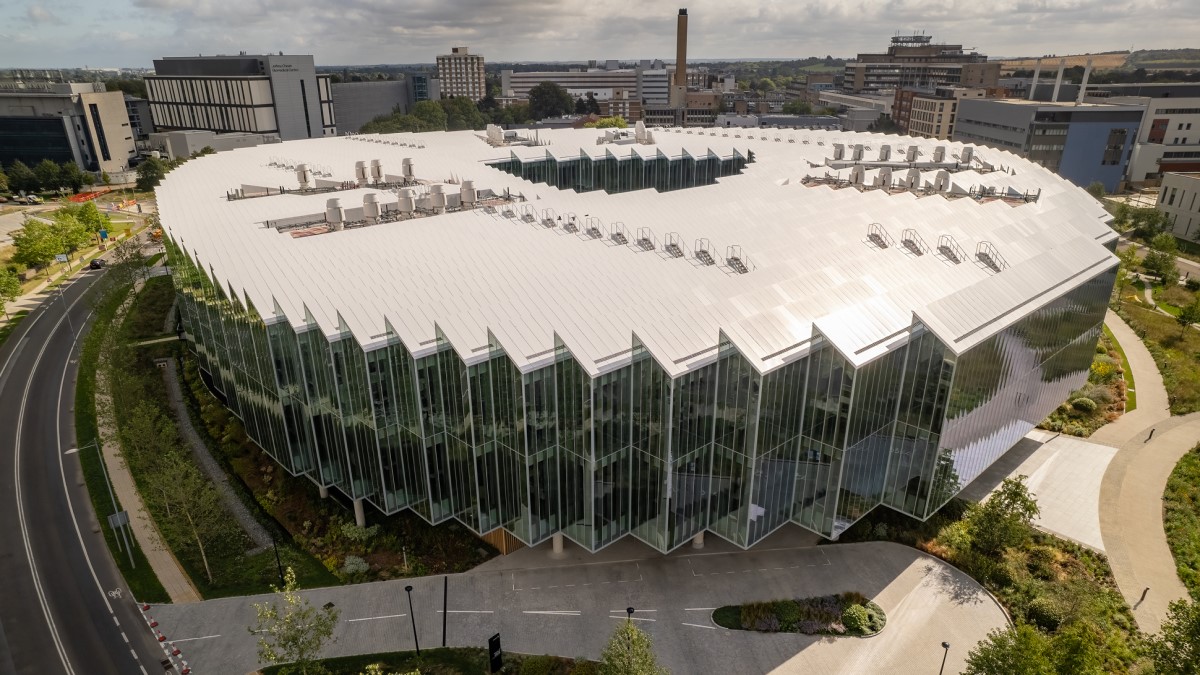
On an ordinary September morning, the city of Cambridge woke up to news that carried an unexpected weight. AstraZeneca, the pharmaceutical titan that had become almost synonymous with the city’s scientific rise, announced that it was pressing pause on a planned £200 million expansion of its research site. For many in the biomedical community, it felt less like a delay and more like a jolt a reminder that even the most carefully laid plans can be upended by shifting tides in business and policy.
This wasn’t just about one building, or even one company. It was about the very question of whether the United Kingdom could still claim its place as a global leader in science and innovation. When AstraZeneca unveiled its plans in 2024, the mood was almost celebratory. The Cambridge portion, worth £200 million, was particularly symbolic. It was to be a state-of-the-art facility, creating 1,000 highly skilled jobs, and adding fresh energy to an already thriving biomedical campus.
Researchers, students, and local businesses saw it as a big thumbs-up. AstraZeneca picked Cambridge as its main hub for its work all over the world. Universities were looking forward to working together on new things. Young scientists thought they would have a better chance at jobs in medicine’s most current fields. Even small businesses like builders and coffee shops were getting ready for the boost from a thousand new employees moving to town.
AstraZeneca mentioned they’re always reviewing where they need to invest, so the Cambridge expansion is paused. But there’s probably more to it than that.The UK wants to be a big player in science, but it hasn’t really made it happen. Drug companies have been concerned about expenses, unreliable government support, and slow rules. With Brexit, inflation, and global competition, investing in the UK isn’t as appealing as it once was.This move might be a good idea for AstraZeneca. They’re doing well in Sweden, the US, and Asia, so they have choices about where to put their money.
In Cambridge itself, the pause has landed like a shadow over what was once a story of momentum. For decades, the city has cultivated its reputation as Europe’s Silicon Valley of life sciences. The University of Cambridge, Addenbrooke’s Hospital, and dozens of biotech startups make the biomedical campus one of the most fertile grounds for discovery anywhere in the world.
AstraZeneca’s existing headquarters already serve as a jewel in that crown. The £200 million expansion was meant to reinforce the city’s claim to global leadership. Now, instead of celebrating growth, Cambridge finds itself fielding questions about whether its best days are behind it.
The economic impact is not small. 1,000 potential jobs many of them high-skill, high-pay roles are suddenly uncertain. Local suppliers who might have benefitted from the construction and operation of the facility are left waiting. And for the young researchers who saw AstraZeneca as a gateway to their careers, the path forward looks less certain.
Cambridge is doing well, even with this setback. Its universities, hospitals, and startups still attract talent globally. AstraZeneca’s main office remains here, and its presence remains strong.This pause is a warning. Even for a city like Cambridge, success requires work. To stay competitive, the UK must actively set the stage for continued success.
AstraZeneca’s choice to put its £200 million Cambridge expansion on hold isn’t just a business move. For Cambridge, this is a critical moment. For those in charge, it’s time to walk the talk. For the UK, it will show if its goal of being a science leader can withstand tough business decisions.This isn’t the end of the story. But right now, growth has turned into doubt, and the city and country are waiting for what happens next.