



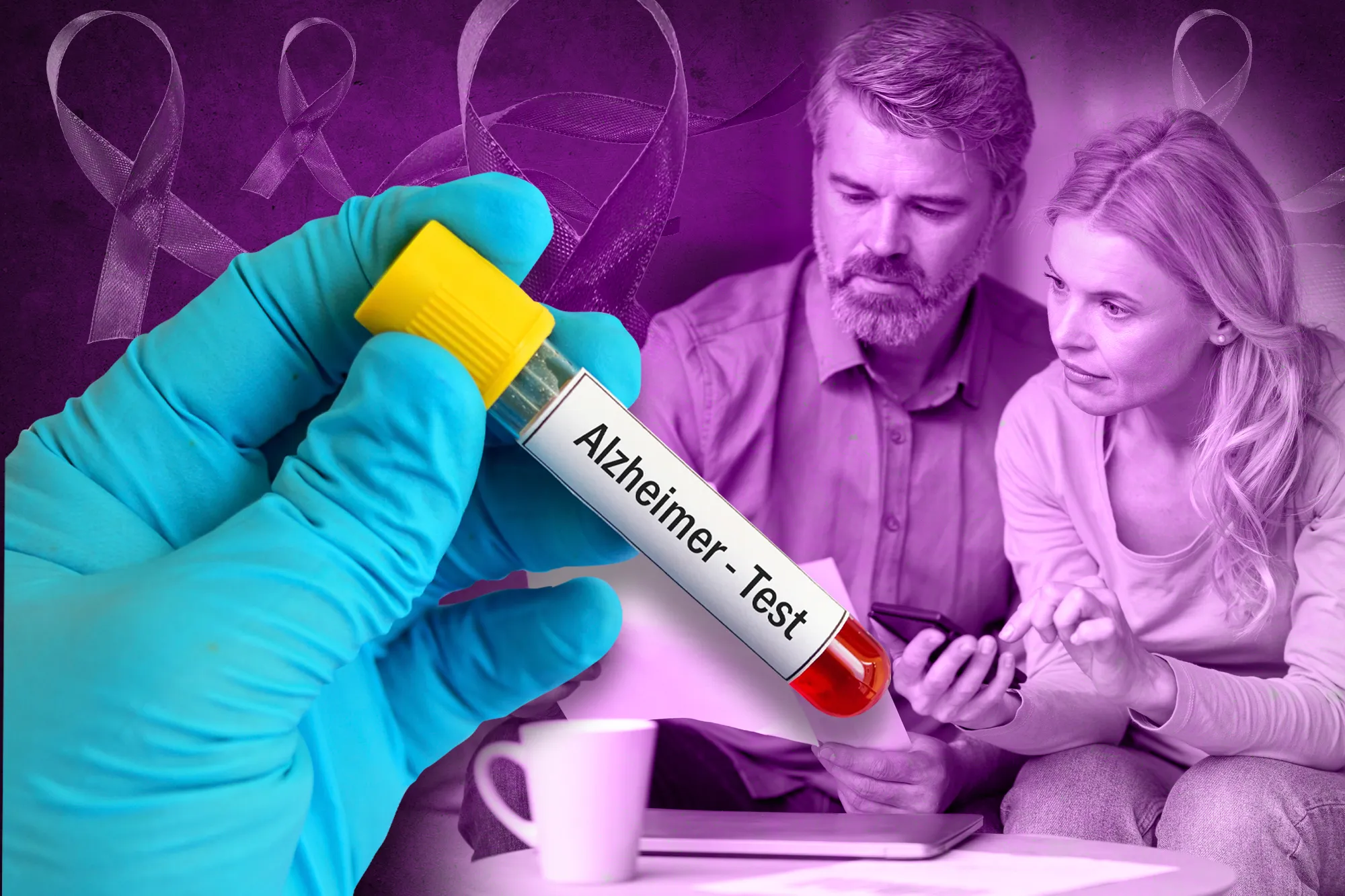
Quiet changes are happening in the UK. . A lot of these people are showing early signs of thinking problems and are in a study to test a blood test that costs £100. This blood test is supposed to find Alzheimer’s, a disease that usually needs tricky scans to spot. The test looks for a protein (p-tau217) in the blood, which suggests brain changes from amyloid and tau. The goal is to give a fast, correct, and cheap way to find the disease.
From Years to Weeks: Shrinking the Diagnostic Gap
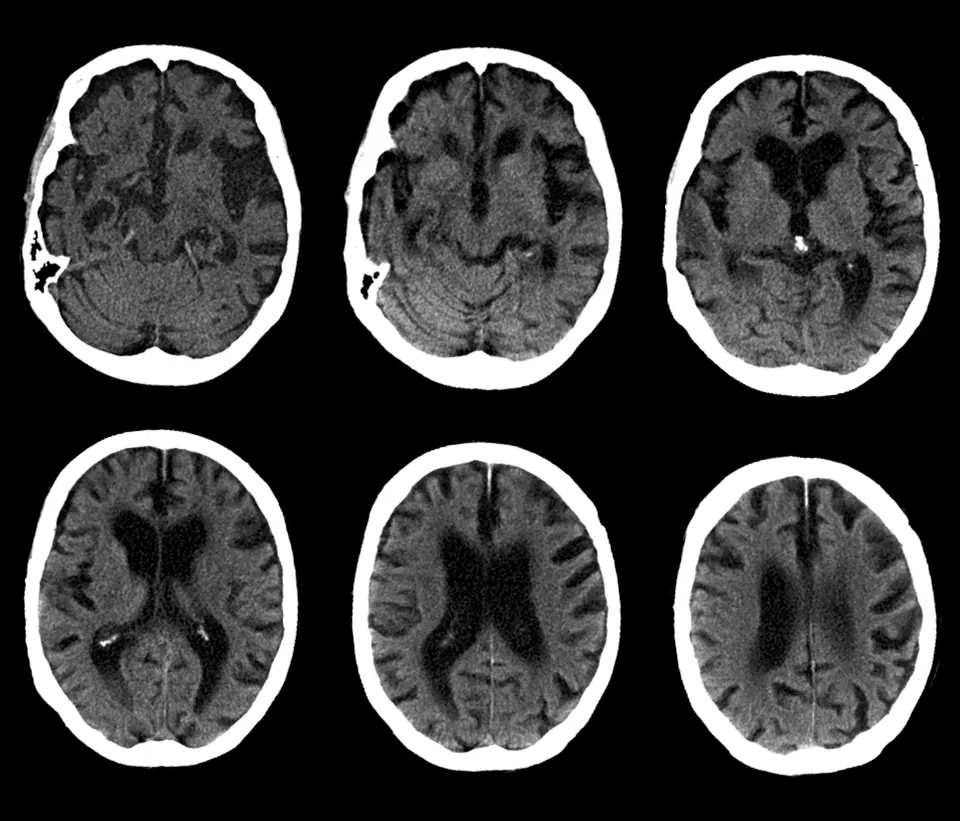
Getting an Alzheimer’s diagnosis in the UK can be tough. Folks often wait a long time – sometimes years – for PET scans or spinal taps. The problem is, very few people (around 2%) get these tests. This delay can stop people from getting treatment when it could make a big difference.A simple blood test, costing about £100, could be a game-changer. Early research suggests that checking p-tau217 levels is as for Alzheimer’s as those complicated tests. Right now, the NHS is checking out the test to see if it’s accurate and can help speed up diagnoses.
The Trial’s Design: Real World, Real People
This study includes many memory clinics and more than 1,100 people from different places, ethnicities, and income levels to make sure the results are widely relevant. The people in the study are divided into two groups. One group will get their test results in three months, and the other group will wait 12 months. The goal is to see if getting results faster helps doctors make correct diagnoses and decide on treatments sooner. Some labs already using p-tau217 tests can get results in just two weeks, which is a good sign for how healthcare could change.
Why Early Diagnosis Matters More Than Ever
The fight against Alzheimer’s is speeding up fast. Drugs such as lecanemab and donanemab look like they could slow down the disease, but they only work if you take them early. Professor Jonathan Schott from UCL, a lead researcher in the trial, says that several more treatments are expected to become available in the next 10 years. So, the trial isn’t about proving the test works, because we already know it does. It’s about proving that the test can change the way we give care.
A Wider Effort: The Blood Biomarker Challenge
This trial is part of a larger project called the Blood Biomarker Challenge. With £5 million from the Alzheimer’s Society, Alzheimer’s Research UK, the National Institute for Health and Care Research, and People’s Postcode Lottery players, the challenge aims to get blood tests for dementia used in the NHS. Other teams at Oxford, Cambridge, and UCL are checking other biomarkers, not just for Alzheimer’s, but for similar dementias such as Lewy body or vascular disease.
What the People Are Saying
Online, there’s a lot of hope going around. On Reddit, people are talking about what’s happening and sharing their own stories. Someone else mentioned that a basic blood test could be a big deal, making it easier and cheaper to find the disease early. Some people are still unsure, mostly about whether the tests are accurate for people without symptoms. But overall, folks are feeling cautiously hopeful.
NICE and NHS Integration
Even if the trial goes well, there’s still a ways to go. NICE will need to check it out to see if it should be used in NHS memory services. If NICE gives it the thumbs up, then patients all over the country could get faster diagnoses, which means quicker treatment and better results.
Why This Matters
Alzheimer’s touches the lives of more than half a million people in the UK, and that number is expected to grow quickly. If we could diagnose it faster, cheaper, and without difficult procedures, it would drastically improve things for patients and their families. It could also ease the load on the NHS and allow for earlier treatment. More than anything, it shows how science, government, and public support can come together to make a big difference.