



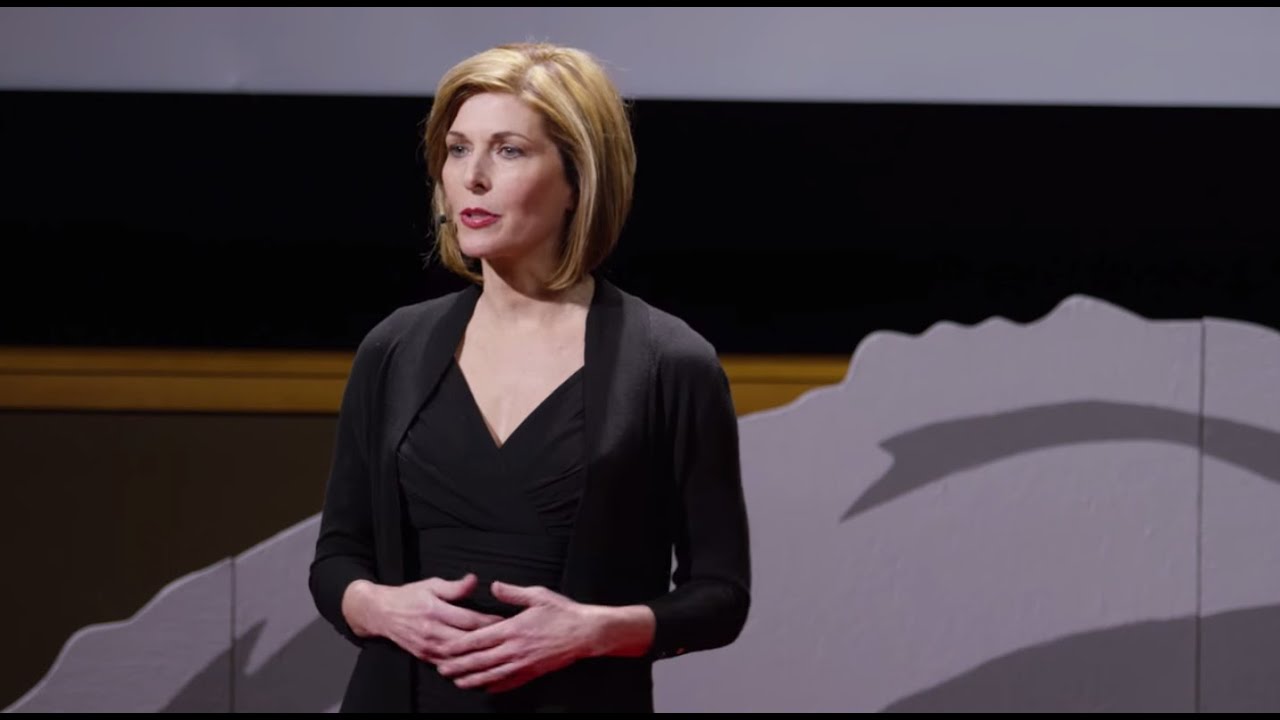
In a small, cluttered newsroom tucked behind a vegan café in Hackney, 34-year-old Amelia Grant sits at her desk surrounded by half-drained coffee mugs, audio recorders, and stacks of handwritten notes. Her eyes, sharp and alert behind thick-rimmed glasses, scan the transcripts of interviews she conducted in the early hours of the morning. She is not preparing for a press briefing or chasing a trending hashtag—Amelia is pursuing something far more complex: the truth.
In an era where clickbait headlines and social media algorithms dictate news cycles, Amelia Grant is quietly but powerfully leading a movement to reclaim the core values of investigative journalism. Her work, often gritty, deeply researched, and painfully human, is reshaping how Londoners understand power, injustice, and accountability.
This is the story of how one woman is giving a voice back to the people—and redefining the rules of the game in the process.
A Journalist Born of Fire
Amelia’s journey into journalism was anything but conventional. Raised in a working-class family in South London, she was the daughter of a nurse and a bus driver. “Dinner conversations were never about the stock market or Westminster gossip,” she recalls. “It was about missed hospital shifts, unfair fines, or broken council promises.”
These early exposures to systemic inequality left a mark. After winning a scholarship to study Political Science at the University of Leeds, Amelia immersed herself in grassroots activism. But it wasn’t until she interned at a local newspaper during her second year that she discovered journalism could be a tool for change, not just a profession.
“Suddenly I saw the potential to combine my love for storytelling with a deeper mission—holding power to account. That’s when everything clicked,” she explains.
Breaking the Mold
After graduation, Amelia started her career in traditional media, working as a junior reporter at The Evening Standard. But she quickly became disillusioned. “There was a lot of pressure to simplify stories for ‘engagement.’ Longform reporting was seen as indulgent. I was told more than once to ‘lose the nuance and sell the drama.'”
In 2016, just before the Brexit referendum, Amelia left the paper. The toxic political climate, combined with growing media partisanship, convinced her it was time to build something different.
She launched The People’s Ledger, a digital-first investigative platform that focused on longform, community-driven reporting. Starting with just her savings and a small Patreon following, Amelia began publishing in-depth exposés on issues that larger outlets often ignored—rising evictions in East London, corruption in local councils, and the privatization of public assets.
It was a gamble—but it paid off.
The Ledger Revolution
Today, The People’s Ledger has a staff of 12, including data analysts, field reporters, and documentary filmmakers. The platform now attracts over 300,000 monthly readers and has partnered with independent media collectives across the UK.
Unlike traditional outlets, The Ledger operates on a transparent, non-corporate funding model. It is entirely reader-supported, accepting no advertising and disclosing all donations over £500. This independence gives Amelia and her team the freedom to chase stories without fear of commercial reprisal.
“Too many media institutions are beholden to their owners. Whether it’s an oligarch, a hedge fund, or a political donor, there’s almost always a gatekeeper. We wanted to build a platform where the only people we answer to are the public,” she says.
Investigations That Matter
Amelia’s impact on journalism is perhaps best understood through her body of work. In 2019, her investigation into illegal labor practices in London’s construction industry revealed a network of human trafficking and wage theft spanning four boroughs. The report led to multiple arrests and a parliamentary inquiry.
Two years later, she exposed how a private housing firm in Tower Hamlets was using legal loopholes to evict low-income tenants and replace them with short-term rentals. The story sparked protests and resulted in changes to council housing policy.
But Amelia doesn’t measure success solely by policy change.
“It’s about restoring dignity. When a cleaner tells me she finally got her unpaid wages or a Somali family gets their mold-infested flat repaired after six months, that’s what matters. Journalism should serve the people, not the elites.”
The Human Behind the Headlines
Despite her growing influence, Amelia shuns celebrity. She rarely appears on television and has declined offers from major outlets, including the BBC and The Guardian, to become a columnist.
“I don’t want to be the story,” she says flatly. “That’s part of what’s gone wrong with media culture. We’ve elevated personalities instead of principles.”
Still, her followers are devoted. On Twitter, she has over 200,000 followers, many of whom are fellow journalists, community organizers, or ordinary citizens who feel alienated by mainstream narratives. Her posts, always direct and deeply empathetic, often go viral for their unfiltered honesty.
When asked how she copes with the emotional toll of her work—interviewing abuse survivors, navigating threats, working 16-hour days—Amelia admits it’s not easy.
“I do burn out. I’ve cried after interviews. I’ve had nightmares. But then I think of the people whose stories I’m telling. They don’t get to switch off. So why should I?”
Training the Next Generation
Amelia’s mission isn’t just about her own work. She’s committed to mentoring young journalists from underrepresented backgrounds. Through the Ledger Fellowship, launched in 2023, she provides six-month training programs to aspiring reporters, with a focus on community reporting, ethics, and investigative techniques.
“I didn’t have anyone to guide me when I started out,” she says. “I had to learn by failing—publicly, painfully, often. If I can spare someone else that struggle and pass on what I’ve learned, then I will.”
One of her mentees, 22-year-old Malik Ibrahim, is now a full-time reporter at The Ledger. He credits Amelia with teaching him not just how to write, but how to listen.
“She’s the most present person I’ve ever met,” Malik says. “She’ll sit for hours with a source, asking questions no one else thought to ask. She’s patient. Relentless. And she really, really cares.”
Journalism in the Age of AI and Disinformation
Amelia is also grappling with journalism’s future in the age of artificial intelligence and deepfakes. She’s critical of how some outlets have adopted AI to churn out content without editorial oversight.
“AI can assist with data analysis or transcription, sure. But it can’t replace lived experience, empathy, or accountability. The truth is nuanced, messy, and human. No machine can capture that.”
She’s currently leading a research collaboration with King’s College London on the ethics of AI in investigative reporting, hoping to establish guidelines for responsible usage across the industry.