



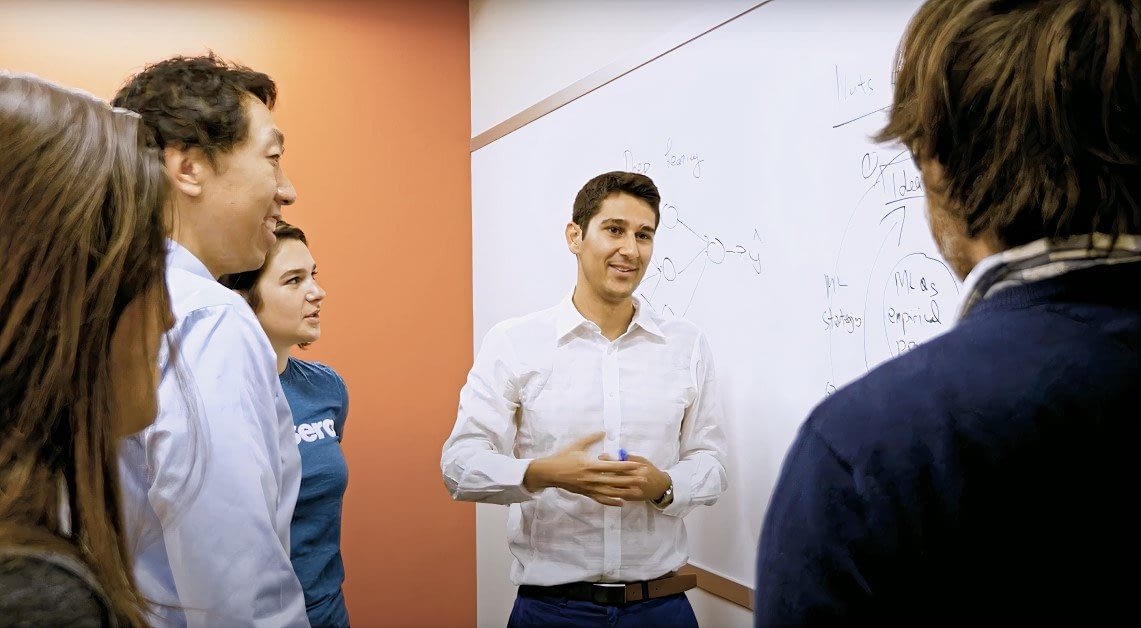
In the heart of South London, a powerful movement is quietly reshaping the future of underserved youth. At the center is Zainab Malik, a passionate educator and tech advocate, whose “Code for Change” initiative is bringing artificial intelligence education to communities traditionally overlooked by the mainstream tech world.
Filling the Inclusivity Gap
Zainab, 32, recognized a stark digital divide in her local boroughs. Many schools in disadvantaged areas lack the resources to teach beyond basic computing. Zainab saw an opportunity not just to teach coding, but to inspire curiosity and agency through AI: “These kids aren’t seeing themselves as future innovators,” she explains. “I want them to know they belong in tech.”
Community-Centered Learning
Since launching “Code for Change” eighteen months ago, Zainab has held weekly workshops at community centers and youth clubs across Lambeth and Southwark. She’s trained over 200 young people—many from Black, Asian, and migrant backgrounds—in AI fundamentals, from data ethics to designing simple chatbots and image-recognition models. “Seeing their faces when the robot actually listens—that’s everything,” she says.
To sustain the work, Zainab has partnered with local councils and secured seed funding from social innovation grants. She mentors volunteer university students and collaborates with civic tech groups to offer guided capstone projects—like building an interface to help non-English speakers navigate local services.
Overcoming Barriers
The challenges aren’t small. Zainab works with participants who often face unstable home situations, limited English skills, and little familial support. Yet she counters this with an unwavering emphasis on relevance. In one standout project, students developed a voice-assistant prototype to help refugees access nearby healthcare resources—blending AI tools with lived experience.
Trailblazing Pathways
Interest in Code for Change has snowballed. A pilot collaboration with a nearby secondary school led to the formation of an AI club, with Zainab training teachers in her curriculum. She’s in talks with a major tech charity to scale the program across London boroughs.
For students like 16-year-old Mariam, the impact is personal: “Before this, I didn’t even know what AI was. Now I’m dreaming about building apps that solve problems in my community.”
Looking Ahead
Zainab envisions Code for Change becoming a blueprint for inclusive tech education across the UK. She’s working on an open-source curriculum designed with local context and a social justice lens—available free online for educators nationwide. Her ultimate goal: a generation of confident, creative young people who don’t just use technology but shape it for the greater good.
What’s next? Zainab hopes to expand to six more sites in South London by 2026—potentially reaching 1,000 students annually. She also aims to build partnerships with universities and industry sponsors to secure internships and mentorship pipelines.
In a world racing toward automation and AI-first futures, Code for Change is a reminder that innovation must be rooted in equity. Zainab Malik’s vision is clear: tech is not only for the privileged—it can and must be a catalyst for opportunity, especially where it’s needed most.